Before You Bring Your Puppy Home
Welcoming a new puppy into your home is an exciting milestone — but it also comes with a lot of responsibility. From learning the basics of puppy training, to choosing the right food, to making sure your home is safe for your new little explorer, there’s plenty to prepare for.
It can feel a bit overwhelming at first, and it’s true that raising a puppy takes time, patience, and consistency. But don’t worry — this guide walks you through everything you need to know to set your puppy up for a happy, healthy start in life.
We’ve included a printable version of this guide below, along with additional helpful resources you can use anytime.
Puppy Proofing
Puppy-proofing your home is one of the most important new-puppy essentials, because little ones love to explore, play with, and chew just about anything they can find.
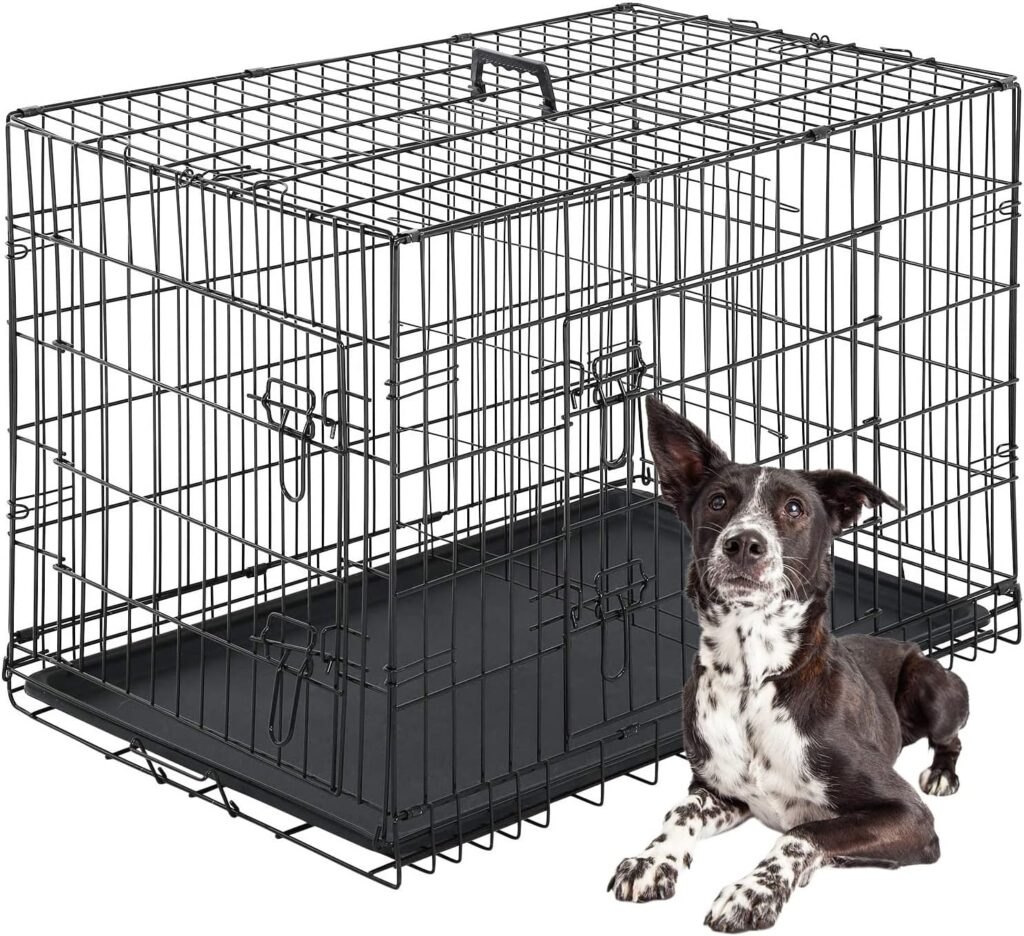
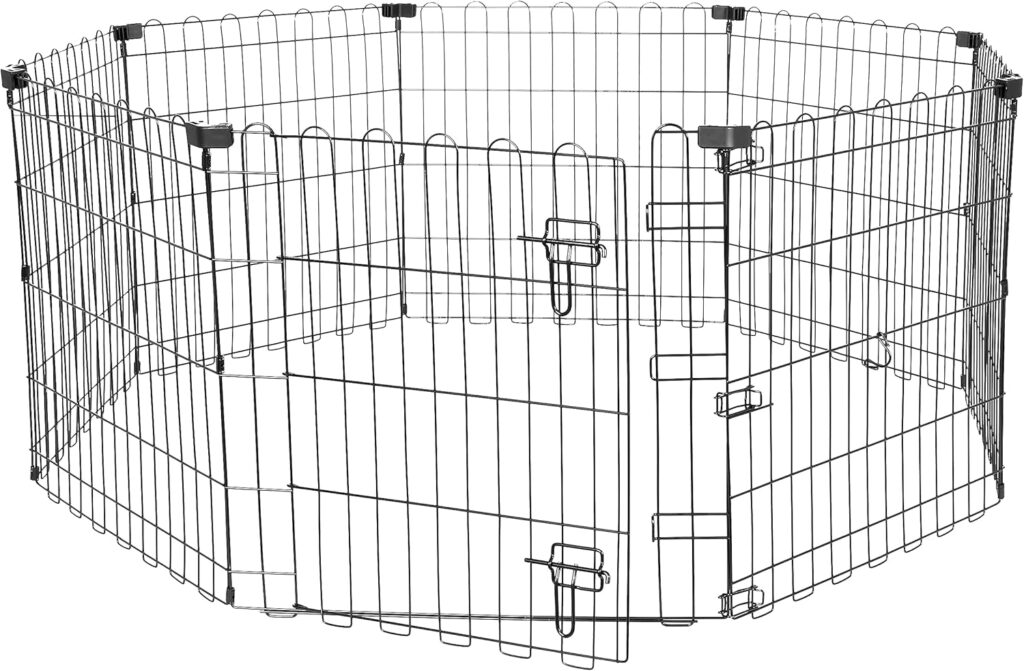
A great first step is setting up a dedicated puppy area — a playpen with an attached kennel. This gives your pup a safe, secure space to relax and play, especially during moments when your attention needs to be elsewhere.
Next, make sure all electrical cords are tucked away and out of reach. Store medications, cleaning supplies, glue, and anything else potentially toxic in high cabinets or behind closed doors. Curious noses can find trouble fast, so it’s best to remove the temptation altogether.
Don’t forget about trash cans — they’re basically a treasure chest to a puppy! Even though you’ll teach your puppy proper manners as part of their training, it’s still important to keep trash securely covered or placed somewhere they can’t access.
Stock Up On Toys
Toys might not seem like new-puppy essentials at first glance, but they absolutely are. Puppies learn about the world through play, and the right toys help guide that learning in a positive way.
Not only do toys provide valuable mental stimulation, but they can also be used as part of your training routine — helping with focus, redirection, and building confidence.
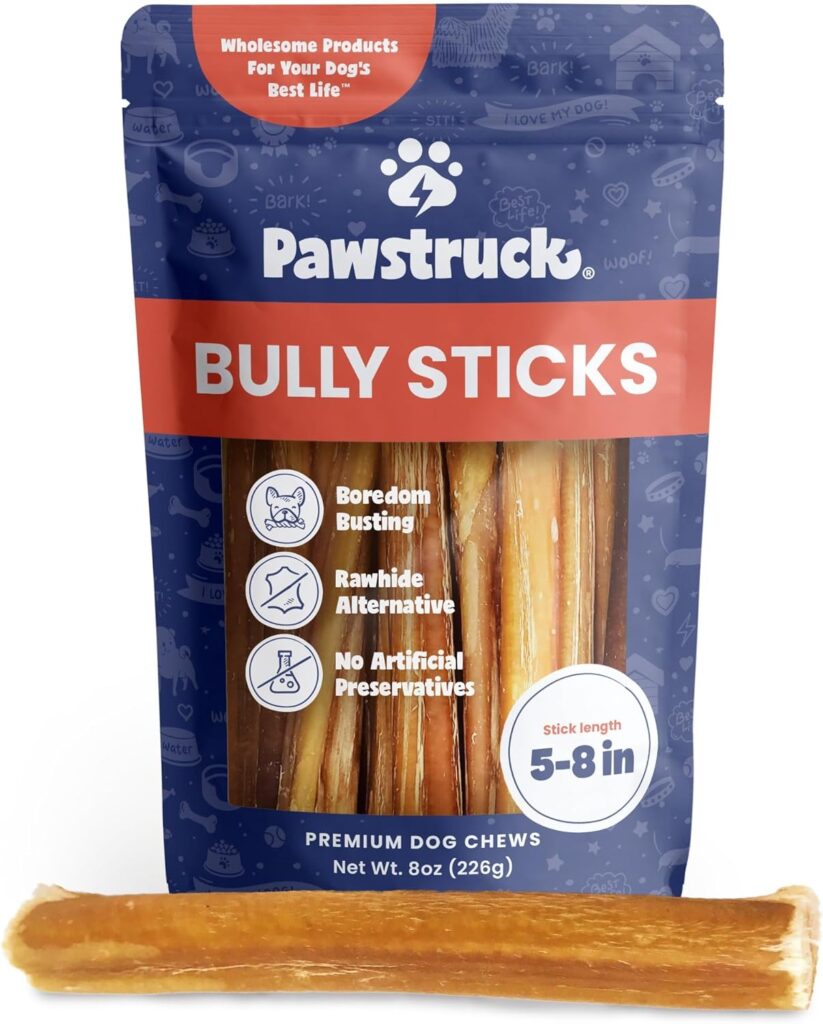
Make sure to invest in a good variety for your new family member. A balanced mix of chew toys, soft comfort toys, treat-dispensing toys, and interactive toys will give your puppy everything they need to stay entertained, engaged, and happily learning.
Establish Routine
Just about every puppy training guide agrees on one thing: routine matters.
Even if you don’t normally follow a strict schedule, it’s important to create one for the first few months of your puppy’s life. Consistent feeding times, potty breaks, play sessions, and rest periods help your pup settle in and feel secure.
Dogs thrive when they have structure — knowing what to expect each day helps them relax, learn faster, and build healthy habits. A solid routine sets the foundation for a confident, well-behaved companion.
Crate Training
Even if crate training doesn’t feel urgent right now, it’s still an important part of your new puppy’s foundation.
You may not plan to use a crate regularly at home, but emergencies happen — and if your dog ever needs to stay overnight at the vet, they will be crated. A puppy who has never been introduced to a crate can become stressed or overwhelmed in that situation.
Because you never know when a crate may be necessary, it’s best to make crate training a priority. There are many helpful videos and step-by-step guides available, and while the process can be frustrating at first, consistency is key. Don’t give in to whining and don’t give up — with patience, your puppy will learn to see the crate as a safe, comfortable space, and it will be worth it in the long run.
Potty Training Plan
Housebreaking is often the part new puppy owners find the most challenging.
Here’s the good news — we at BFF Aussies have already started the process for you. If you follow our recommended routine, most puppies can finish housebreaking in just a few days, as long as you stay consistent.
And if you don’t yet have a housebreaking plan, don’t worry — we’re here to help guide you every step of the way.
Research Best Foods
One of the most important new-puppy essentials you’ll need is a high-quality puppy food.
We don’t recommend choosing the cheapest option on the shelf — many commercial dog foods are made with low-quality ingredients that don’t support proper growth and development. Take some time to research brands and choose the best food you can reasonably afford.
Look for real meat (not “meat meal”) at the top of the ingredient list, and avoid foods filled with unnecessary fillers or artificial additives.
At BFF Aussies, we provide a starter bag of the food your puppy has been eating here to help make the transition home easier. If you decide to switch to a different brand, be sure to transition slowly over several days. Sudden changes can upset your puppy’s stomach and lead to digestive issues.
Decide on House Rules
Every puppy training guide emphasizes one core principle: consistency. This applies to every part of your new puppy’s training — including household rules.
Think ahead about what you want long-term.
Will your puppy be allowed on the furniture once they’re full-grown?
Will they be allowed in the kitchen?
Will they sleep on your bed or have their own space?
Decide your boundaries early and stick to them. Staying consistent prevents confusion and helps your puppy understand expectations from the start. When the rules don’t change, your puppy will learn faster, feel more secure, and develop great habits that last a lifetime.
Bad Behaviors
Biting, jumping, excessive barking, begging for food — these are some of the most common new-puppy training challenges.
The problem is that many owners let these behaviors slide when a puppy is small, or even unintentionally encourage them by laughing at how “cute” the behavior looks in the moment.
But it’s always easier to teach the right behavior from the very beginning than to try to correct a bad habit once your dog is older.
If your puppy does something you wouldn’t want them doing as an adult, address it immediately. Redirect, correct, or guide them toward the behavior you do want. Setting clear expectations early prevents those behaviors from becoming long-term habits.
Socializing is Most Important
Many puppies miss out on proper socialization during this critical stage of development — sometimes due to vaccine schedules, busy lifestyles, or even past restrictions like COVID. But when puppies don’t receive early and positive exposure to the world, it can lead to behavior challenges later in life.
The good news is that socialization can still happen safely before a puppy is fully vaccinated. You can get creative with controlled, low-risk experiences that help your pup build confidence without compromising their health.
Just remember: until your puppy has completed their full vaccine series, avoid letting them touch dirt, grass, or any areas where unknown dogs frequently go. With thoughtful planning, you can continue introducing your puppy to new sights, sounds, surfaces, people, and experiences while still keeping them protected
Socailizing Ideas
- Take your puppy on car rides around town, or go on safe walks that introduce them to new sights, sounds, smells, and experiences. These gentle exposures help your puppy build confidence while learning that the world is a friendly place.
- Consider enrolling in a puppy preschool class with other pups of the same age. Once they graduate, keep the momentum going with additional classes — beginner, intermediate, advanced obedience, off-leash work, nose work, agility, or even CGC (Canine Good Citizen). Ongoing training not only builds great manners but also strengthens your bond.
- You can also make socialization fun by printing out a “puppy scavenger hunt” and checking off a few new boxes each day. Keep every new experience positive, and reward generously with tasty treats.
- If your puppy isn’t fully vaccinated yet, try using a dog stroller to safely take them everywhere without letting their paws touch the ground. As a bonus, most puppies outgrow the stroller right around the time they finish their vaccine series. If you don’t have a stroller, placing a clean blanket in a shopping cart works just as well!
Take Time Off Work
As you can see, there are many new-puppy essentials to keep in mind when welcoming your new companion home — and if you work long hours, it can feel even more overwhelming.
If possible, try to take a week or two off when your puppy arrives. This extra time allows you to bond, establish routines, introduce house rules, and begin training without rushing. It sets a strong foundation for your puppy’s success.
Our new puppy packages include a training guide that covers the basics, but there’s always more to learn. It’s a great idea to soak up as much puppy training knowledge as you can before your new family member comes home. Podcasts, videos, and reputable training resources can be incredibly helpful — because once your puppy arrives, life gets a little busier (in the best way!).
The good news? You’re not doing this alone. At BFF Aussies, we’re here as lifelong support for you and your puppy.
We also encourage you to explore online training programs and look into local puppy classes with trusted trainers. Continued learning will help you raise a confident, well-mannered, and happy dog.
Vet Visit
Your puppy’s first veterinary appointment is an important step in setting them up for a healthy start in life. We recommend scheduling this visit within a few days of bringing your puppy home.
This early check-up allows your veterinarian to:
Confirm your puppy’s overall health
Review their vaccine schedule
Check for any early signs of illness
Discuss deworming and parasite prevention
Go over nutrition, growth, and developmental milestones
Even if your puppy has already been seen by our vet and is up-to-date on vaccines, this first visit helps establish care with your own veterinarian and gives you a chance to ask questions.
Be sure to bring:
Your puppy’s health records
Any medications or supplements they’re taking
A list of questions or concerns
A small bag of treats to make the visit positive
This first appointment is also a wonderful opportunity to create a positive association with vet visits early on. Keep the experience upbeat, use lots of praise, and reward your puppy for being brave — it sets the tone for low-stress veterinary care throughout their life.
Puppy Item Must Haves Before Coming Home
Preparing for your puppy before they come home isn’t just convenient — it sets the stage for success from day one. Having your must-have items ready ahead of time helps you avoid stressful last-minute trips, ensures your puppy’s transition is smooth, and allows you to focus fully on bonding instead of scrambling for supplies.
From safe spaces and feeding essentials to training tools and comfort items, being prepared gives your puppy structure, routine, and comfort right away. It also helps you stay consistent with training, reduces accidents and anxiety, and makes those first days together feel calm, intentional, and joyful.
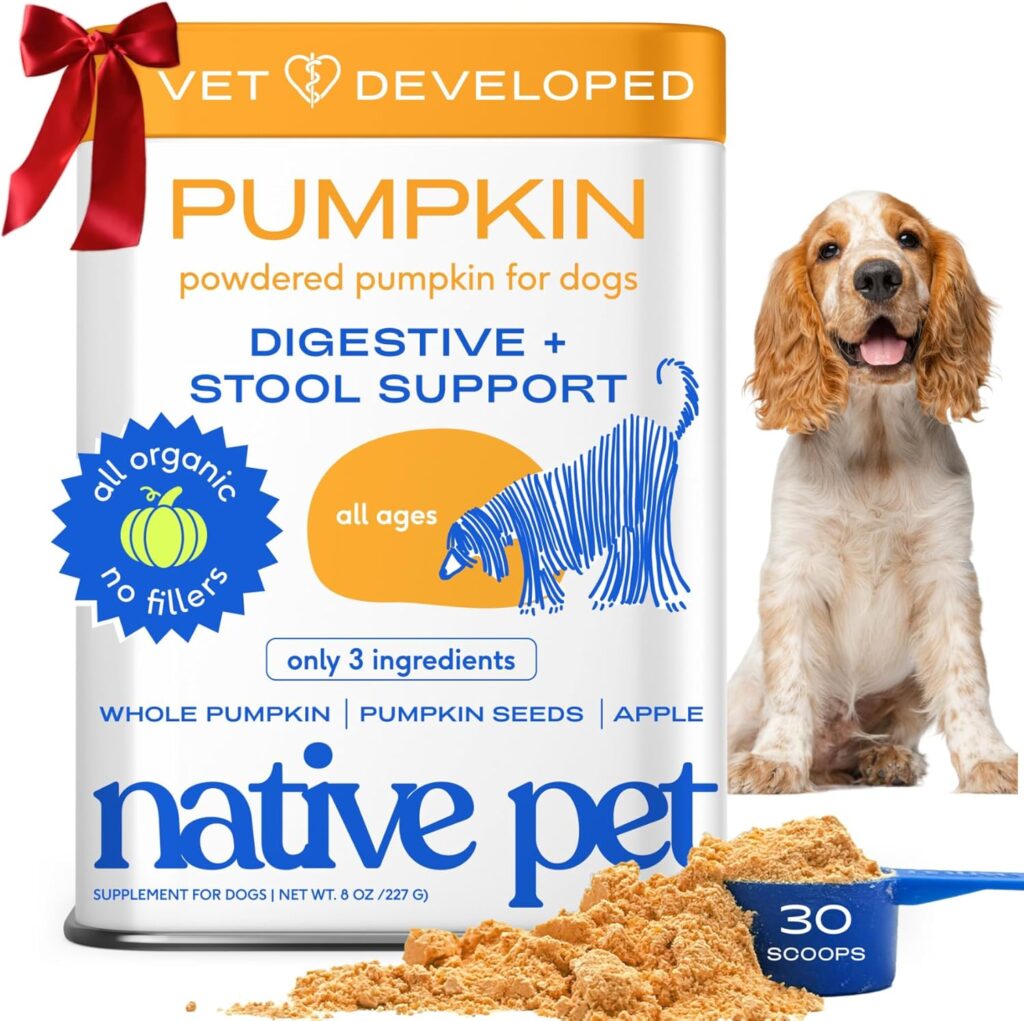
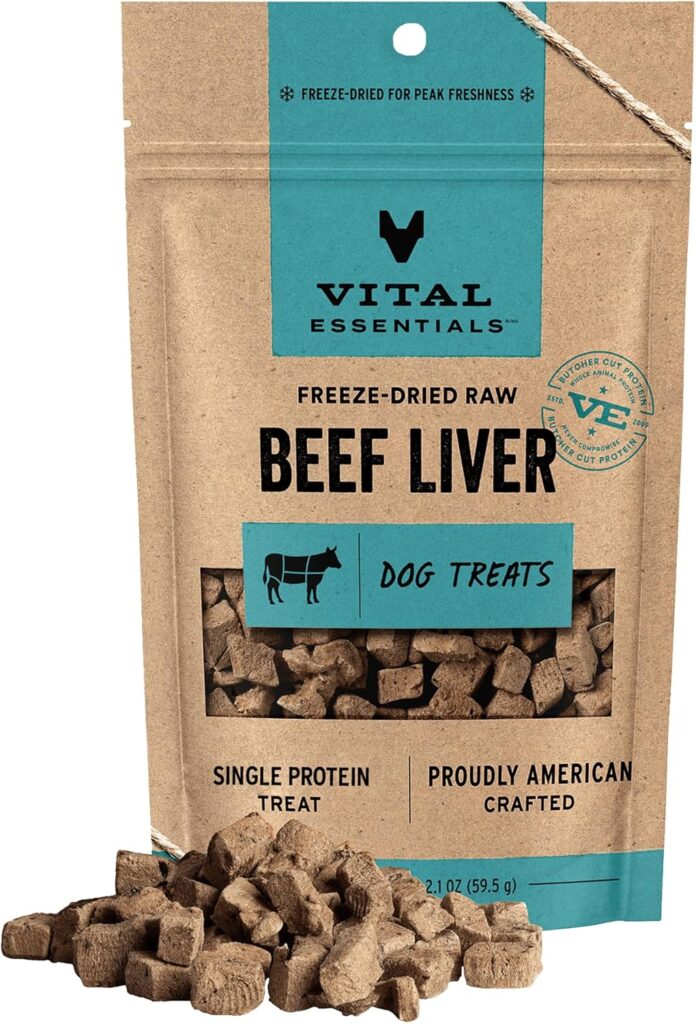
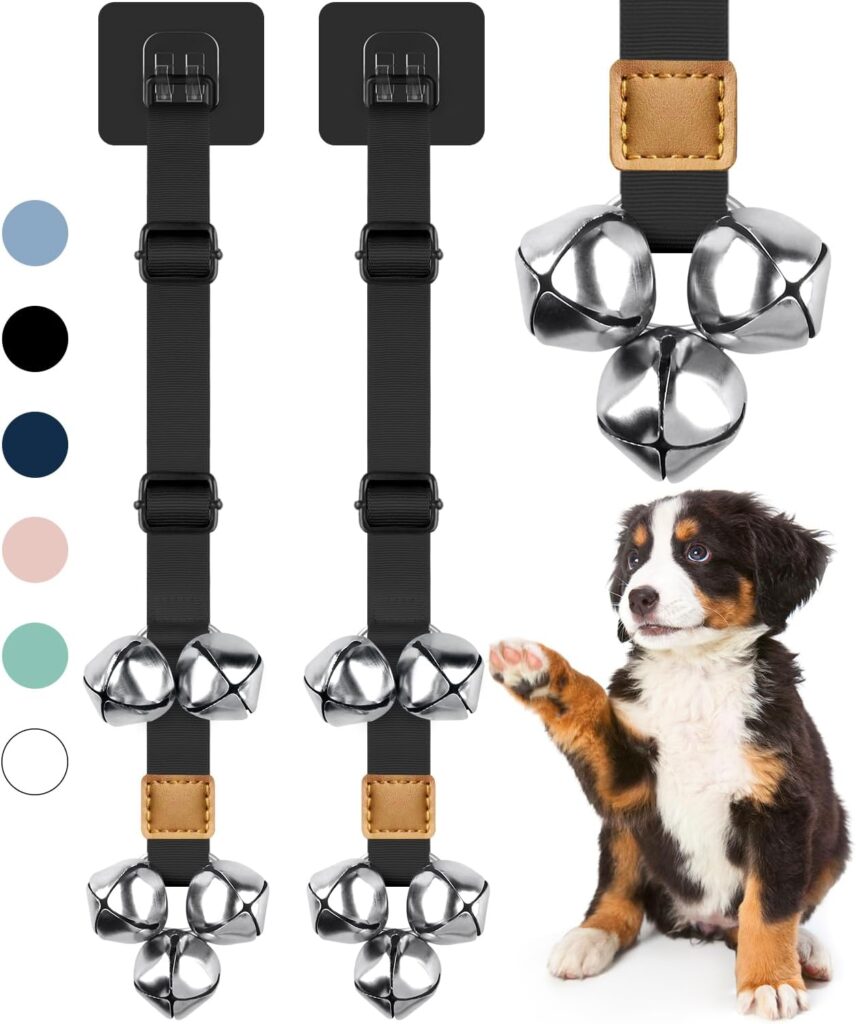
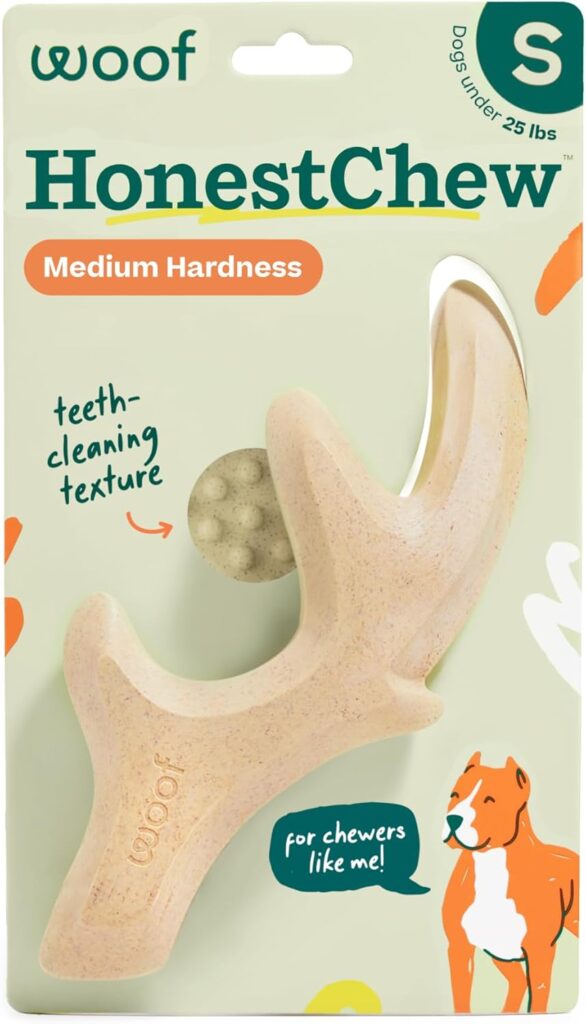
Below, we’ve listed the must-have items we personally recommend to help your puppy settle in confidently and comfortably.